
Four hectares. Ancient river soils. One vineyard expressed in many ways
Bridge Pa Triangle, Hawke’s Bay
A Small Vineyard of Remarkable Variation
Our four-hectare vineyard lies within the Bridge Pa Triangle, where warm days, cool nights and a complex mosaic of soils provide exceptional conditions for Syrah and Chardonnay.
The vineyard stretches from an ancient riverbed of the Ngaruroro River to a gently rising hillside. Across this small site, the vines encounter markedly different combinations of clay, silt, gravel and ancient river deposits. These variations influence how each parcel grows, ripens and responds to the season—and ultimately, the character of the fruit it produces.
Location: Bridge Pa Triangle, Hawke’s Bay
Vineyard area: Four hectares
First planted: 1998
Varieties: Syrah and Chardonnay
Farming: Dry farmed and hand harvested
Shaped by an Ancient River
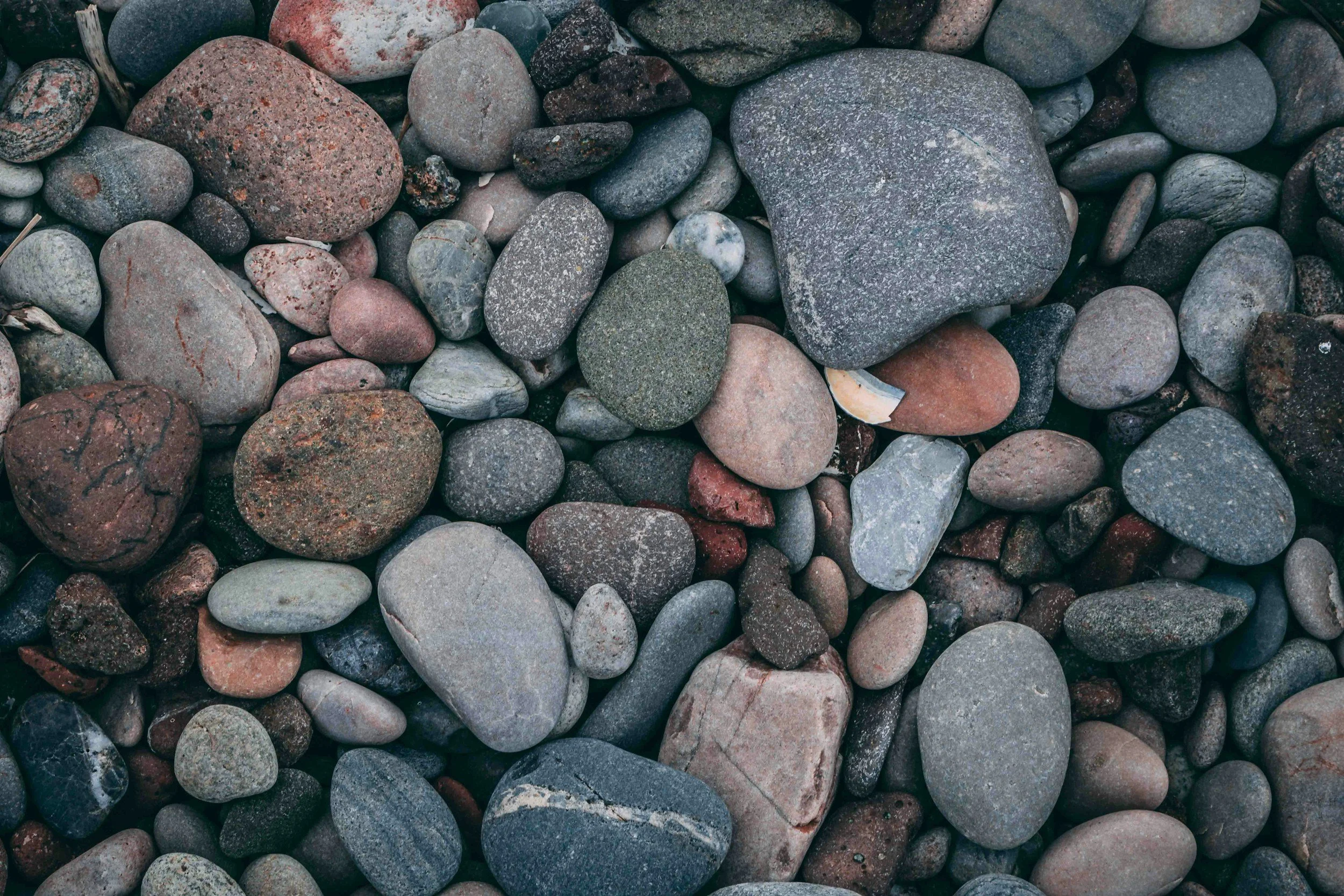
Long before vines were planted here, the Ngaruroro River shaped the land. Its former course left behind a layered landscape of gravel, clay, silt and river deposits, while the gently rising hillside created natural shelter and a range of distinct growing environments.
It was this north-facing, sheltered setting that first attracted the attention of a winemaker in 1998. Syrah was planted that year, placing the vineyard among an early generation of Hawke’s Bay sites devoted to the variety.
Today, detailed soil investigation has revealed just how varied the vineyard is. In some parcels, dense clay restricts root depth and retains moisture. Elsewhere, the vines grow through deeper, freer-draining gravel and silt. These contrasts are fundamental to the identity of Ohara Estate.
Precision Viticulture
Understanding Every part of the vineyard
For many years, the vineyard was managed as a single site. Today, we approach it as a collection of individual growing environments, making decisions according to the soil, vine material and seasonal behaviour of each parcel.
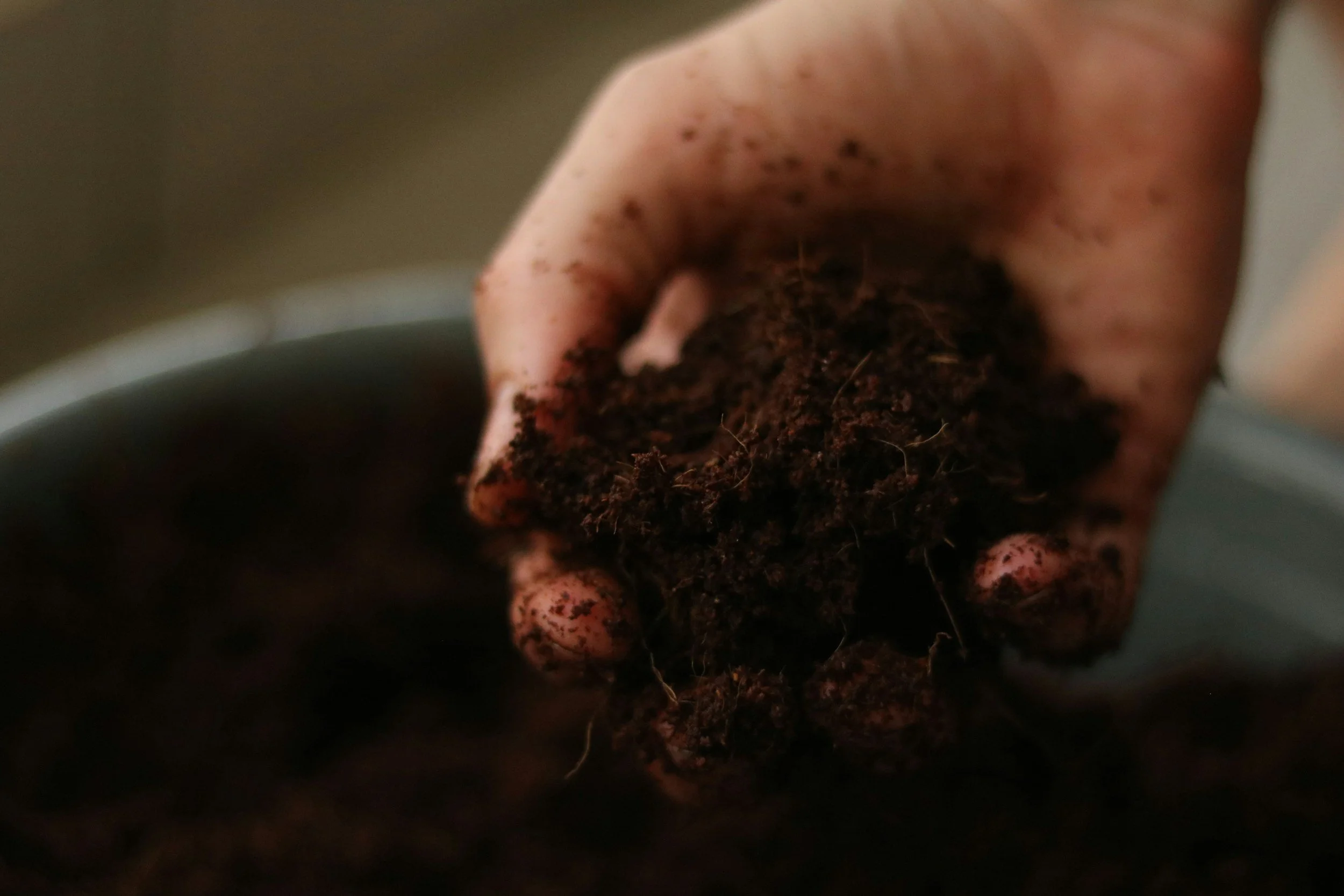
Working with viticulturist Mark Krasnow of Thoughtful Viticulture, we are building a detailed understanding of the estate. Soil pits and laboratory analysis have helped map variations in soil depth, drainage, clay and gravel content, rooting depth, slope and water-holding capacity. This information is considered alongside the performance of each clone and rootstock.
Drone imagery and vine-by-vine assessment help us identify differences in vigour, water stress and vine health. Weather monitoring, leaf-wetness sensors and soil-moisture data allow us to respond to actual vineyard conditions rather than relying on a predetermined calendar.
The objective is not intervention for its own sake. It is to understand what each part of the vineyard needs—and to act with greater precision.

Farming with Restraint
Every decision in the vineyard is guided by one objective: to produce fruit of concentration, balance and character.
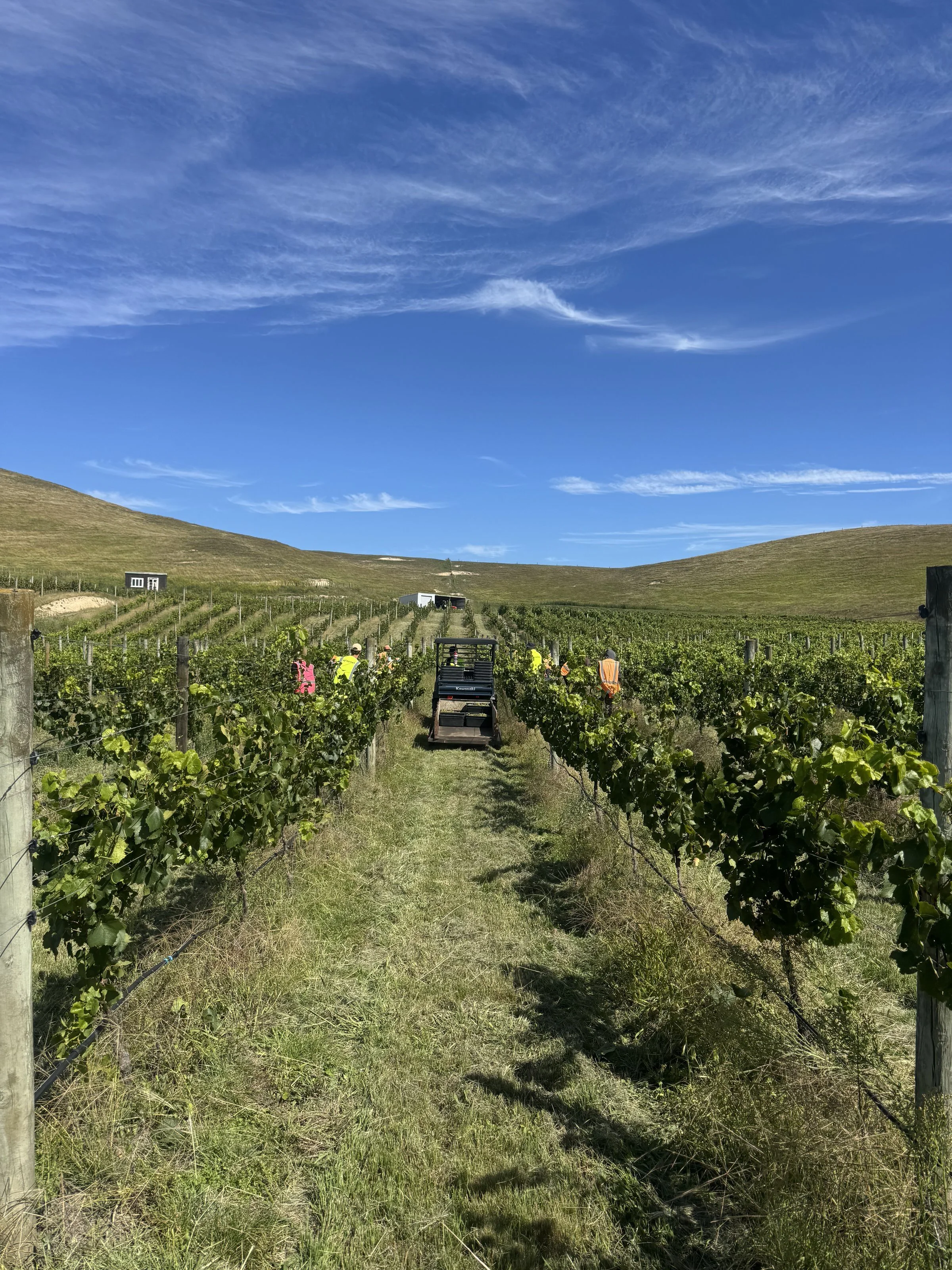
The vines are dry farmed, encouraging their roots to seek moisture within the vineyard’s varied soil profiles. Yields are deliberately restrained through careful pruning and vineyard management, allowing each vine to direct its energy into fewer, higher-quality bunches. At harvest, the fruit is picked by hand, parcel by parcel, when it has reached the balance we seek.
Where appropriate, early-season applications are undertaken by drone. This reduces tractor passes, fuel use and soil compaction while allowing treatments to be applied with greater precision.
These choices require patience, observation and a willingness to let each season speak. Nature ultimately determines both the quantity and character of every vintage. Rather than seeking uniformity, we embrace that variation as an honest expression of place and time.
One Site, Three Expressions
The contrasts within the vineyard inspired the creation of three limited-production Syrahs: one from the hillside, one from the ancient riverbed, and a third bringing the two together.
Each reveals a different expression of the same variety, vintage and place. Experienced together, they tell the complete story of the Ohara vineyard.
Sustainable Winegrowing
Ohara Estate is proudly accredited through Sustainable Winegrowing New Zealand (SWNZ), the New Zealand wine industry’s independently audited sustainability certification programme.
Established in 1995, SWNZ is recognised as one of the world’s leading sustainability programmes for winegrowing. Today, more than 98% of New Zealand’s vineyard area is certified under the programme, reflecting the industry’s shared commitment to protecting the land for future generations.
Certification is far more than a logo on a bottle. Every year our vineyard undergoes a comprehensive assessment covering six key areas: Soil, Water, Plant Protection, Waste, People and Climate Change. Independent audits, annual reporting and detailed spray diary records ensure we continue to meet recognised best-practice standards while identifying opportunities for continual improvement.
For us, sustainability is not a destination but an ongoing process of learning and refinement. Precision viticulture plays a central role in that journey. By combining detailed soil mapping, drone imagery, weather monitoring and site-specific vineyard management, we can make more informed decisions that improve vine health, reduce unnecessary inputs and preserve the natural character of our vineyard.
Every decision we make is guided by a simple principle: that we are not owners but custodians of the land. Every decision is made with the next generation in mind, ensuring the land continues to produce exceptional wines for generations to come.