

Hawkes Bay Destination
Every great wine begins with a remarkable place.
New Zealand has earned a reputation as one of the world’s most respected wine-producing countries. Although it accounts for just around 1% of global wine production, its commitment to quality has seen its wines enjoyed in more than 100 countries around the world. Today, New Zealand is home to approximately 755 wineries, each contributing to a reputation built on purity, provenance and a deep respect for the land
While Marlborough introduced the world to New Zealand wine, Hawke’s Bay has long been recognised as the country’s home of fine wine.
Established in 1851, Hawke’s Bay is New Zealand’s oldest wine-growing region and today accounts for approximately 11% of the nation’s vineyard area. Home to more than 200 vineyards, over 70 wineries and more than 30 cellar doors, it has become one of the country’s most celebrated food and wine destinations. Warm days, cool nights and a long growing season create ideal conditions for producing wines of elegance, complexity and longevity. It is here that New Zealand has established an international reputation for world-class Chardonnay, Syrah and Bordeaux-style blends.
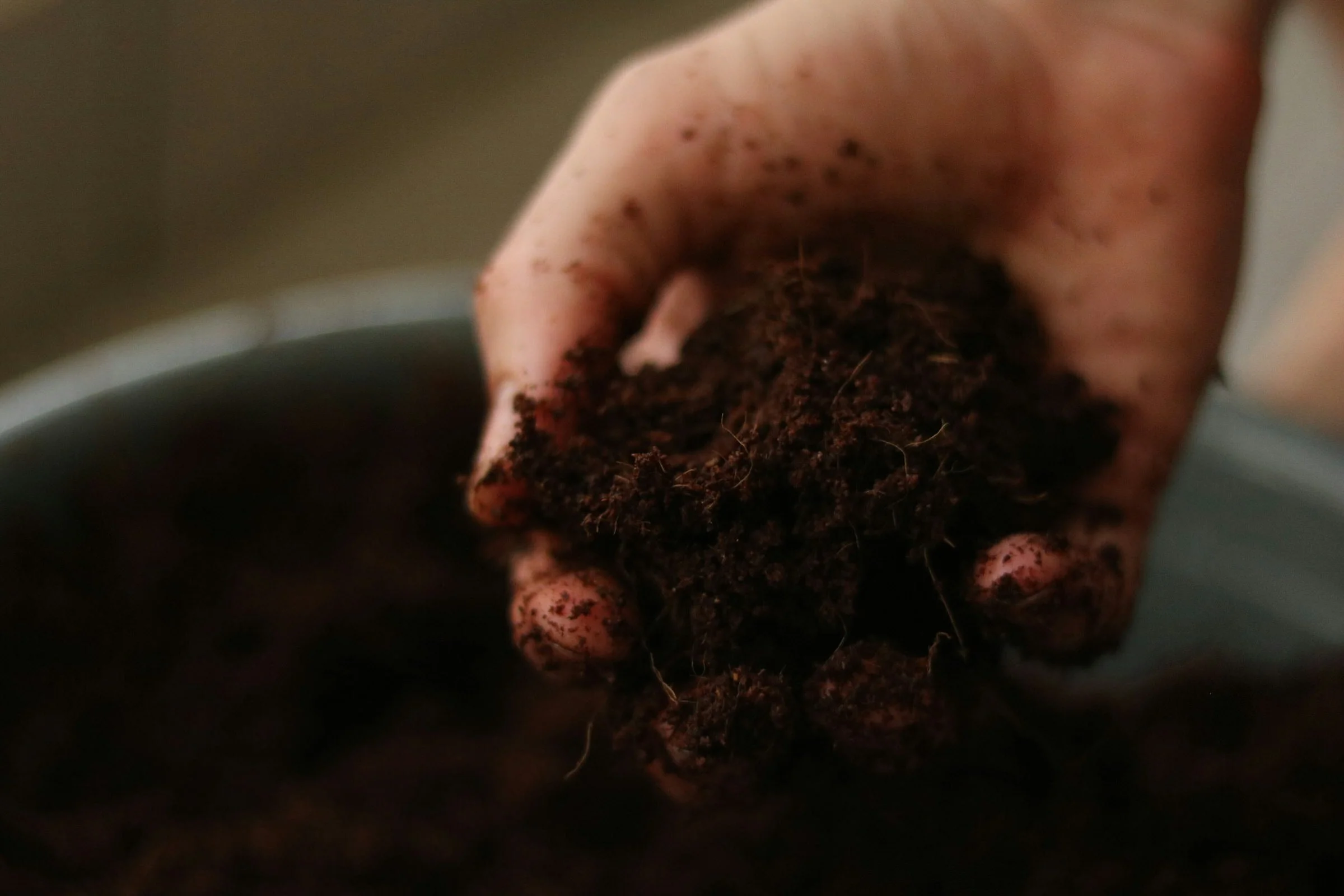
Within Hawke’s Bay lies the Bridge Pa Triangle Wine District, one of New Zealand’s most distinctive wine-growing landscapes.
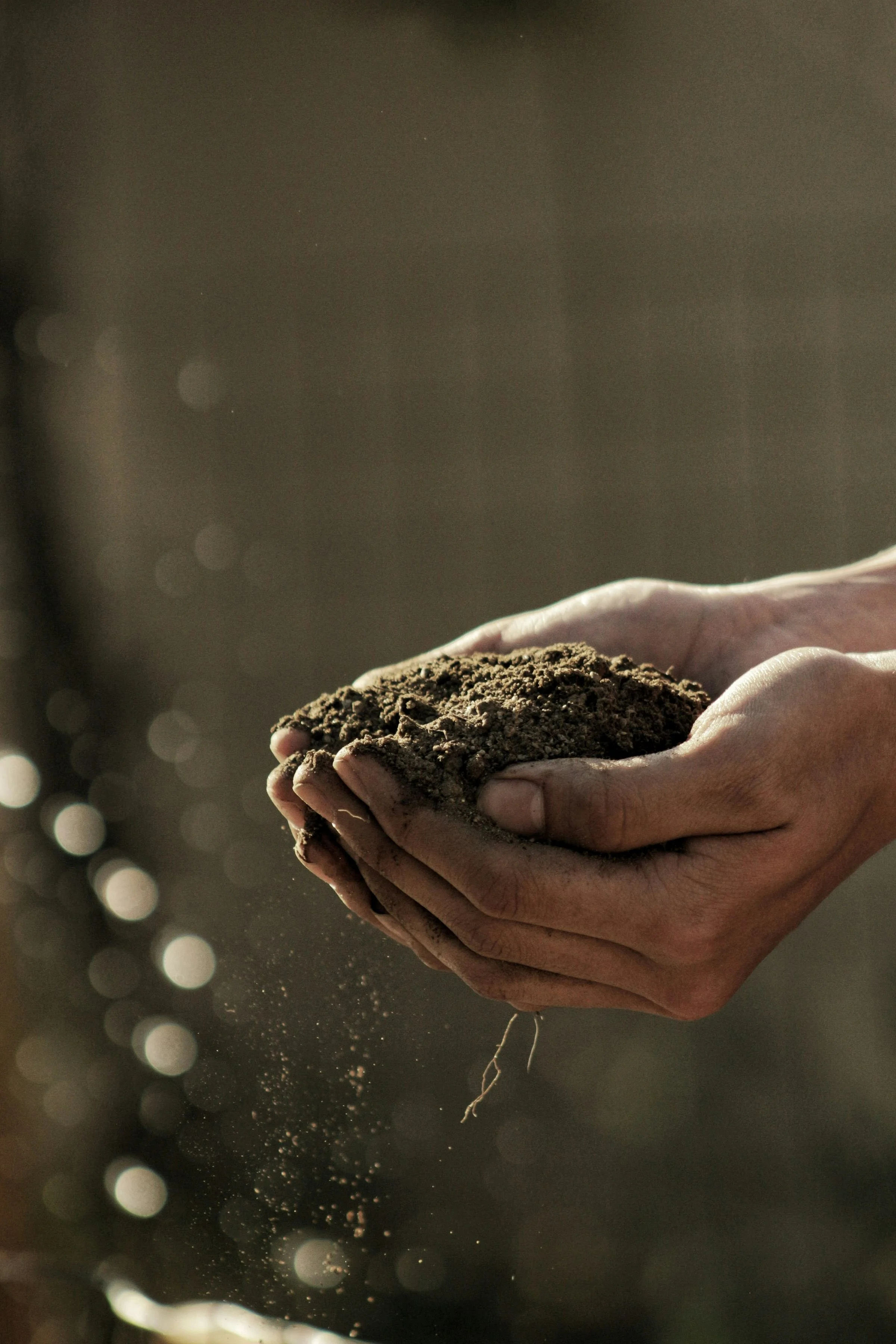
Defined by its ancient alluvial soils, warm inland climate and exceptional drainage, Bridge Pa Triangle has become renowned for producing wines of concentration, balance and unmistakable character. The remarkable diversity of gravel, clay and red metal soils allows vineyards only a short distance apart to produce dramatically different expressions of the same variety. It is a place where terroir is not simply discussed—it is experienced in every glass. Recent acclaim for the district’s Chardonnay and Syrah has further cemented its reputation as one of New Zealand’s most exciting sub-regions.
It is here, within the Bridge Pa Triangle, that Ohara Estate has found its home.
The Hawkes Bay region has remarkable diversity. Ancient river gravels give way to clay-rich hillside soils, with changes in elevation, aspect and soil depth creating naturally distinct vineyard parcels.
To visit Hawkes Bay is to experience more than a vineyard. It is an invitation to discover one of New Zealand’s great wine landscapes — where farming heritage, thoughtful stewardship and a deep respect for place come together in every bottle.
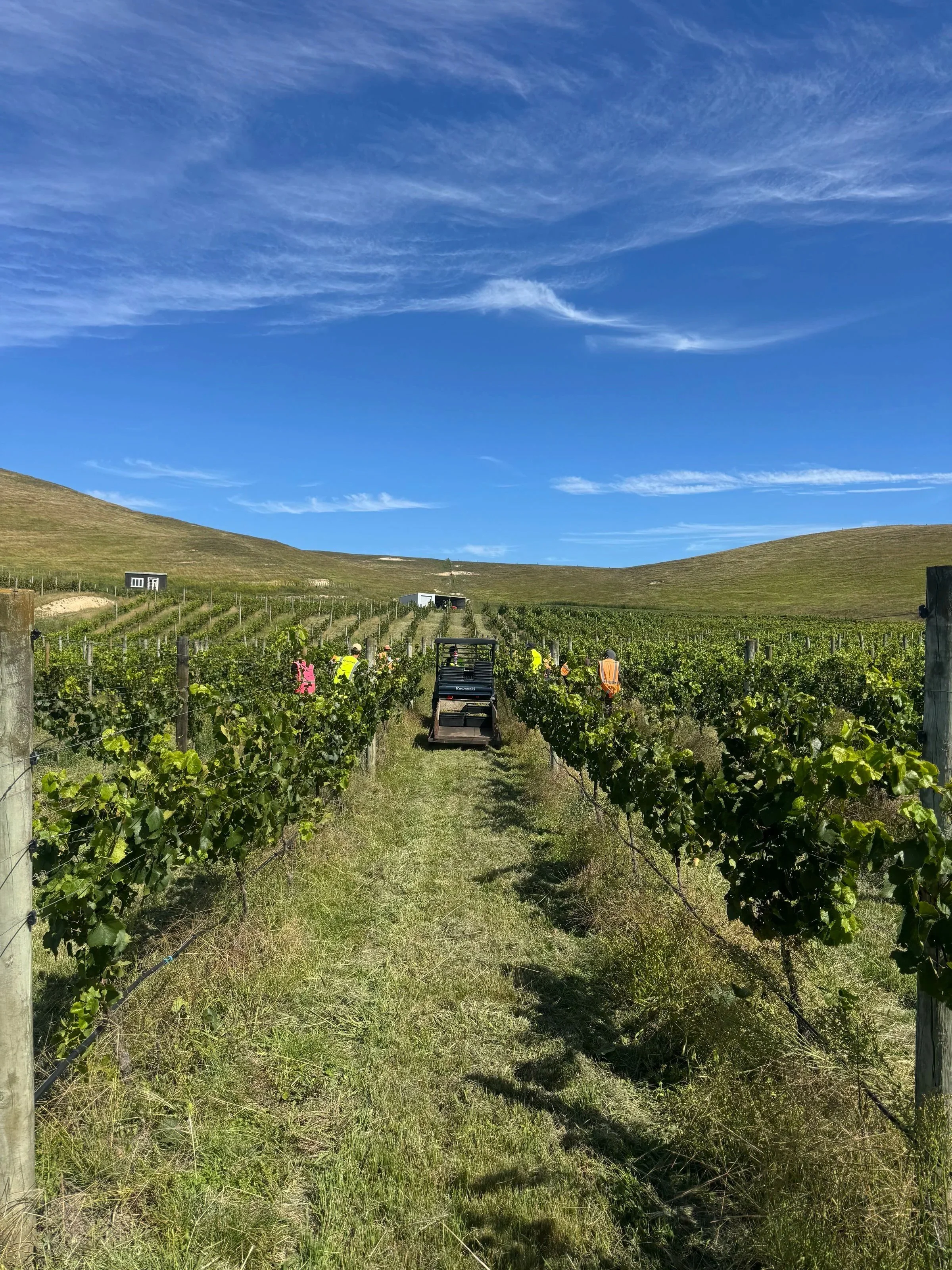

Every great wine begins with a sense of place — not just geography, but character, climate, and time.a
New Zealand may be a small wine-producing nation, but it has built a global reputation for precision, purity, and site-driven expression. Its wines are now enjoyed in more than 100 countries, shaped by a culture that values restraint in the vineyard, clarity in the glass, and a long-standing commitment to sustainable and environmentally responsible viticulture. New Zealand is internationally recognised as a leader in sustainable winegrowing, with a high proportion of vineyards certified under sustainability programmes that prioritise soil health, water efficiency, biodiversity, and long-term climate resilience.
Within this landscape, Hawke’s Bay holds a unique position. As New Zealand’s oldest wine region, established in 1851, it has long been regarded as the country’s spiritual home of fine wine. Warm, dry summers, moderated by coastal influence and cool nights, create one of the most reliable fine-wine climates in the country — a climate that is increasingly valued in a changing global environment for its consistency and ripening security.
Today, Hawke’s Bay is home to a diverse and evolving wine community, where traditional varieties sit alongside a new generation of Mediterranean and aromatic plantings. Alongside Chardonnay, Syrah, and Cabernet-led blends, growers are increasingly exploring varieties such as Fiano, Albariño, Tempranillo, Montepulciano, Viognier, and Grenache, each finding a natural affinity with the region’s warmth, long growing season, and growing emphasis on drought-tolerant, climate-adapted viticulture.
Within Hawke’s Bay lies the Bridge Pa Triangle — a distinct inland terrace defined by ancient red metal gravels, free-draining soils, and a noticeably warmer mesoclimate than surrounding areas. These conditions consistently produce wines of depth, structure, and aromatic intensity, while also offering natural advantages in a warming climate, where free-draining soils and airflow help maintain vine health and balance.
It is a landscape where variety is not only possible, but expressive. Chardonnay gains texture and drive. Syrah develops perfume and spice. And newer plantings such as Fiano and Albariño bring brightness, saline tension, and lifted aromatics that speak clearly of sun, stone, and sustainable adaptation to place.
Sustainability is not a layer added to the work of winegrowers— it is embedded in it. From careful water management to soil-focused viticulture and low-intervention farming practices, our regions winegrowers approach reflects a broader New Zealand ethos: producing wines of place while protecting the land for future generations.
Alongside core plantings of Syrah and Chardonnay, the region embraces a broader palette of varieties that reflect the climate and the philosophy of exploration by winegrowers. These include:
Cabernet Franc, Merlot, Malbec, Petit Verdot, Viognier, Grenache, Tempranillo, Montepulciano, Fiano, Alberino, Chenin Blanc, Sauvignon, Pinot Noir.
Winegrowers embrace the pioneering spirit of the past choosing grape varieties not for trend, but for its ability to express something authentic about this place — and to thrive within a vineyard system designed for resilience in a changing climate.
The warmer, free-draining blocks favour structured reds with aromatic lift, while select cooler pockets allow aromatic whites to retain natural acidity and tension. This diversity of micro climates within the region allows for the ability to explore different varieties.
New Zealand has earned a reputation as one of the world’s most respected wine-producing countries. Although it accounts for just around 1% of global wine production, its commitment to quality has seen its wines enjoyed in more than 100 countries around the world. Today, New Zealand is home to approximately 755 wineries, each contributing to a reputation built on purity, provenance and a deep respect for the land
While Marlborough introduced the world to New Zealand wine, Hawke’s Bay has long been recognised as the country’s home of fine wine.
Established in 1851, Hawke’s Bay is New Zealand’s oldest wine-growing region and today accounts for approximately 11% of the nation’s vineyard area. Home to more than 200 vineyards, over 70 wineries and more than 30 cellar doors, it has become one of the country’s most celebrated food and wine destinations. Warm days, cool nights and a long growing season create ideal conditions for producing wines of elegance, complexity and longevity. It is here that New Zealand has established an international reputation for world-class Chardonnay, Syrah and Bordeaux-style blends.
Within Hawke’s Bay lies the Bridge Pa Triangle Wine District, one of New Zealand’s most distinctive wine-growing landscapes.
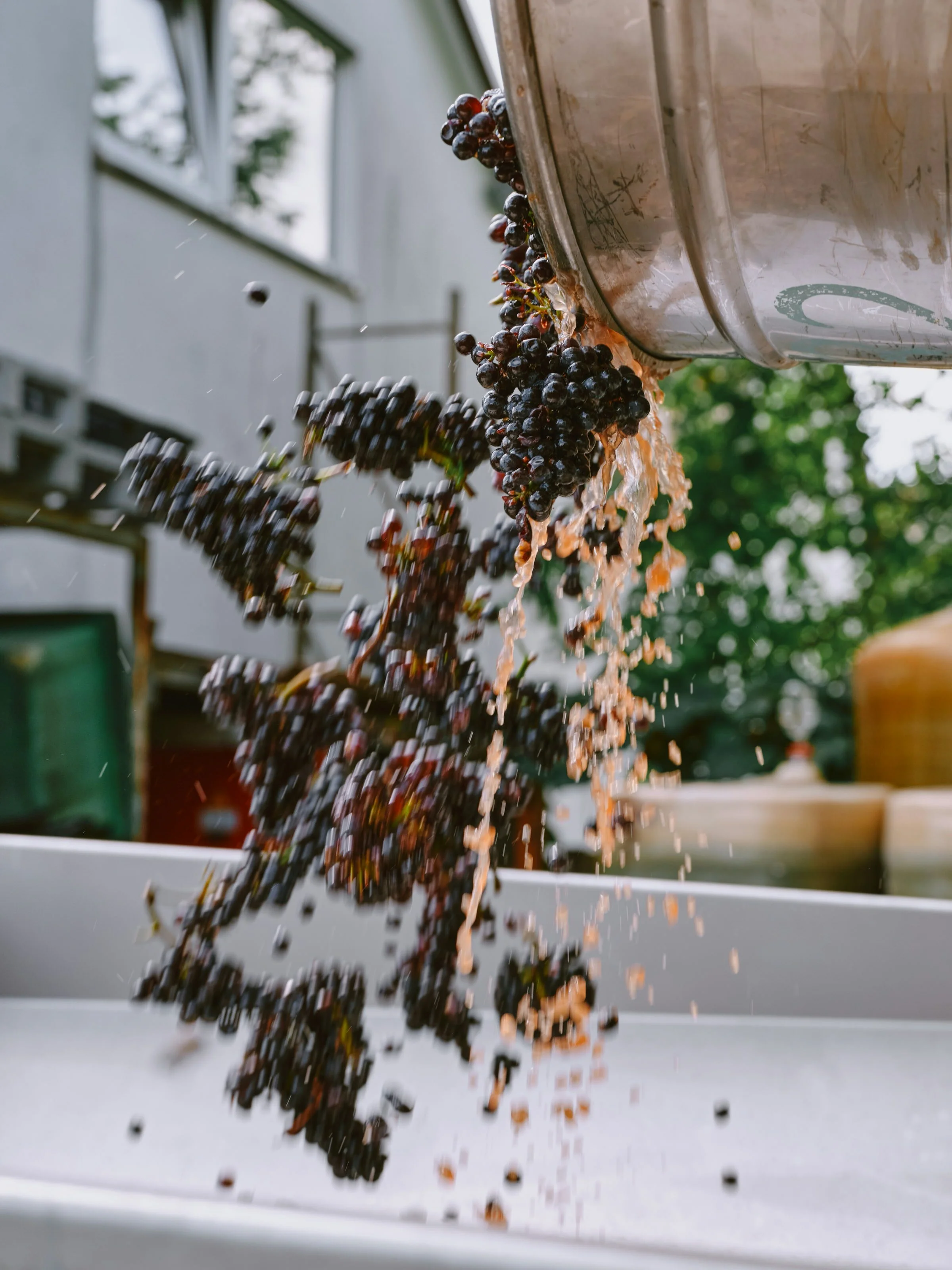
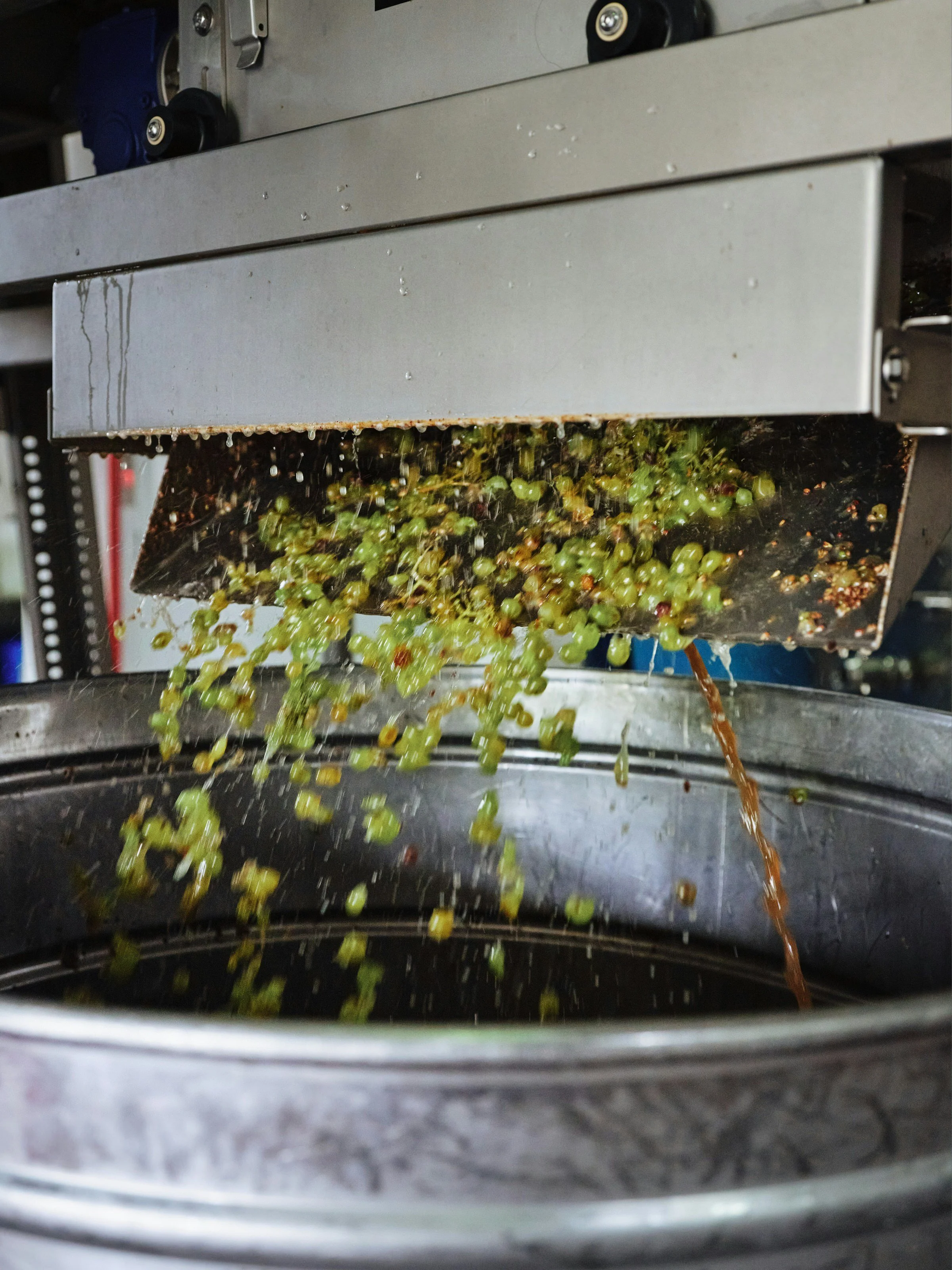
To visit Hawkes Bay is to experience more than a vineyard. It is an invitation to discover one of New Zealand’s great wine landscapes — where farming heritage, thoughtful stewardship and a deep respect for place come together in every bottle.
Every great wine begins with a sense of place — not just geography, but character, climate, and time.
New Zealand may be a small wine-producing nation, but it has built a global reputation for precision, purity, and site-driven expression. Its wines are now enjoyed in more than 100 countries, shaped by a culture that values restraint in the vineyard, clarity in the glass, and a long-standing commitment to sustainable and environmentally responsible viticulture. New Zealand is internationally recognised as a leader in sustainable winegrowing, with a high proportion of vineyards certified under sustainability programmes that prioritise soil health, water efficiency, biodiversity, and long-term climate resilience.
Defined by its ancient alluvial soils, warm inland climate and exceptional drainage, Bridge Pa Triangle has become renowned for producing wines of concentration, balance and unmistakable character. The remarkable diversity of gravel, clay and red metal soils allows vineyards only a short distance apart to produce dramatically different expressions of the same variety. It is a place where terroir is not simply discussed—it is experienced in every glass. Recent acclaim for the district’s Chardonnay and Syrah has further cemented its reputation as one of New Zealand’s most exciting sub-regions.
It is here, within the Bridge Pa Triangle, that Ohara Estate has found its home.
The Hawkes Bay region has remarkable diversity. Ancient river gravels give way to clay-rich hillside soils, with changes in elevation, aspect and soil depth creating naturally distinct vineyard parcels.

Within this landscape, Hawke’s Bay holds a unique position. As New Zealand’s oldest wine region, established in 1851, it has long been regarded as the country’s spiritual home of fine wine. Warm, dry summers, moderated by coastal influence and cool nights, create one of the most reliable fine-wine climates in the country — a climate that is increasingly valued in a changing global environment for its consistency and ripening security.
Today, Hawke’s Bay is home to a diverse and evolving wine community, where traditional varieties sit alongside a new generation of Mediterranean and aromatic plantings. Alongside Chardonnay, Syrah, and Cabernet-led blends, growers are increasingly exploring varieties such as Fiano, Albariño, Tempranillo, Montepulciano, Viognier, and Grenache, each finding a natural affinity with the region’s warmth, long growing season, and growing emphasis on drought-tolerant, climate-adapted viticulture.
Within Hawke’s Bay lies the Bridge Pa Triangle — a distinct inland terrace defined by ancient red metal gravels, free-draining soils, and a noticeably warmer mesoclimate than surrounding areas. These conditions consistently produce wines of depth, structure, and aromatic intensity, while also offering natural advantages in a warming climate, where free-draining soils and airflow help maintain vine health and balance.
It is a landscape where variety is not only possible, but expressive. Chardonnay gains texture and drive. Syrah develops perfume and spice. And newer plantings such as Fiano and Albariño bring brightness, saline tension, and lifted aromatics that speak clearly of sun, stone, and sustainable adaptation to place.
Sustainability is not a layer added to the work of winegrowers— it is embedded in it. From careful water management to soil-focused viticulture and low-intervention farming practices, our regions winegrowers approach reflects a broader New Zealand ethos: producing wines of place while protecting the land for future generations.
Alongside core plantings of Syrah and Chardonnay, the region embraces a broader palette of varieties that reflect the climate and the philosophy of exploration by winegrowers. These include:
Cabernet Franc, Merlot, Malbec, Petit Verdot, Viognier, Grenache, Tempranillo, Montepulciano, Fiano, Alberino, Chenin Blanc, Sauvignon, Pinot Noir.
Winegrowers embrace the pioneering spirit of the past choosing grape varieties not for trend, but for its ability to express something authentic about this place — and to thrive within a vineyard system designed for resilience in a changing climate.
The warmer, free-draining blocks favour structured reds with aromatic lift, while select cooler pockets allow aromatic whites to retain natural acidity and tension. This diversity of micro climates within the region allows for the ability to explore different varieties.